Unleashing the ultimate source of truth: OpenCode, Obsidian, and Agentic Development

Julian Moors
Managing a project's "Source of Truth" (SoT) is a historical developer headache. Documentation sits in corporate wikis, requirements live in Jira, and code lives in Git. They constantly drift apart.
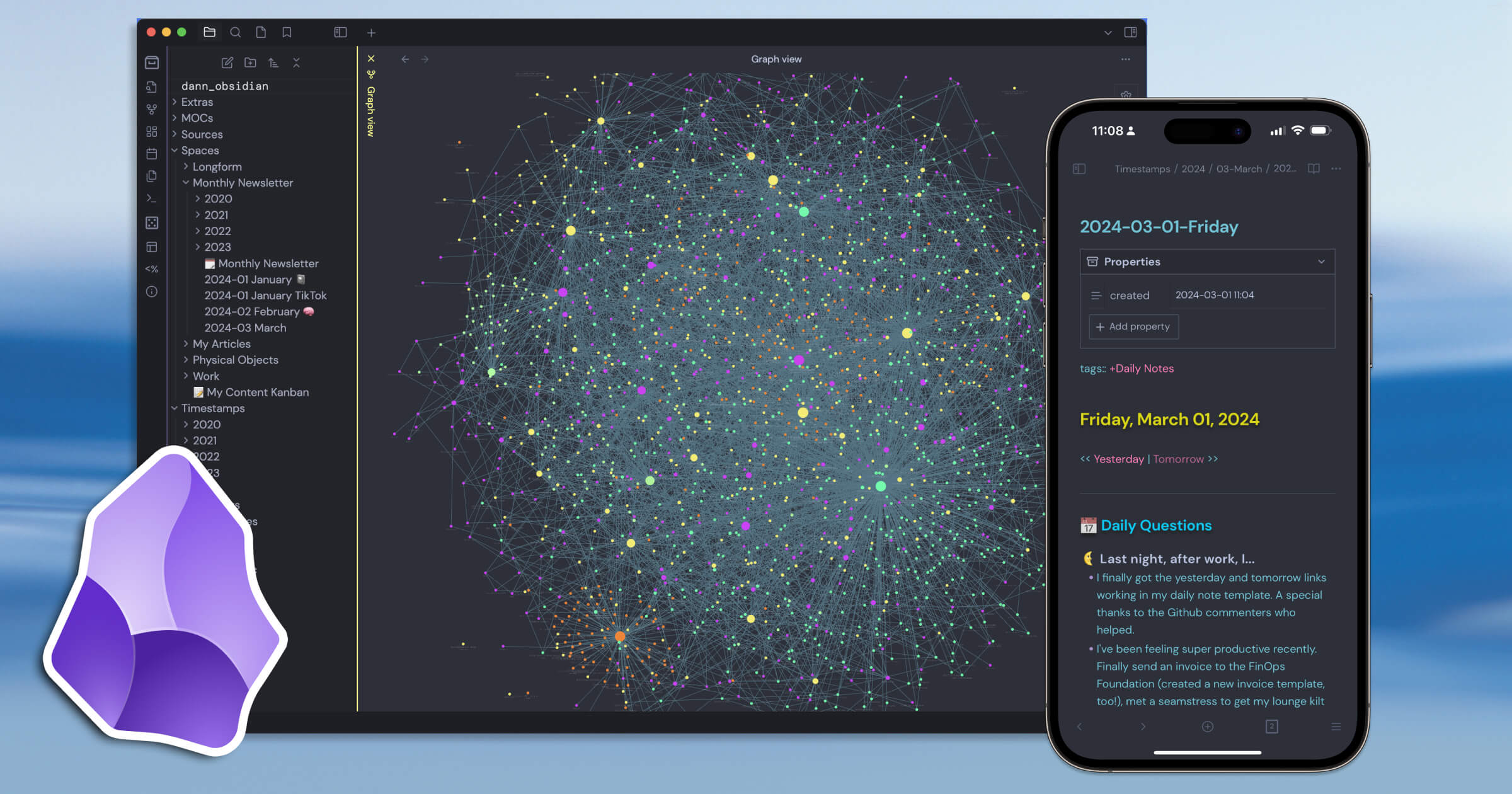
By pairing OpenCode (an alternative to Claude Code and Codex) with Obsidian (a local-first, Markdown-based knowledge base), you can build a unified, human-readable, and machine-actionable SoT.
When you layer Agentic Driven Development (ADD) on top of this stack, the documentation stops being a passive diary and becomes an active participant in building your software.
The Stack: Git + OpenCode + Obsidian
Using proprietary, siloed tools for project management creates platform lock-in and fragmented context. Here is why the open, local-first combination wins:
Everything is Markdown: Obsidian stores files as plain Markdown documents. OpenCode projects produce text files. Because everything is text, your code and your documentation can live in the exact same Git repository.
Bi-Directional Linking: Obsidian’s core strength is linking notes together. You can link a feature request to a specific technical design document, which links directly to local code snippets.
Version-Controlled Truth: When documentation lives inside your project repository, changes to documentation are tracked via Git commits alongside the code. A feature pull request updates the code and the documentation simultaneously.
Why Agentic Driven Development is the Perfect Match
While Behavior-Driven Development (BDD) is excellent for turning user stories into automated tests, Agentic Driven Development (ADD) is far more appropriate for this specific stack.
ADD views AI agents as autonomous collaborators rather than just autocomplete tools. Agents require structured, highly contextual, and easily readable data to operate effectively. An Obsidian vault hosted on an open repository acts as the perfect cognitive map for an AI agent.
- The Context Engine for AI Agents
AI agents struggle with massive, disorganized codebases. By structuring your project architecture, business logic, and roadmap inside Obsidian using clear Markdown hierarchies and tags, you create a map the agent can instantly scan. The agent reads your Obsidian notes to understand why a feature is being built before it touches the code.
- Autonomous Documentation Sync
In an ADD workflow, the agent doesn't just write code; it maintains the SoT. When an agent refactors a backend service, it can autonomously update the corresponding architectural diagrams (using Mermaid.js inside Obsidian) and API endpoints documented in your vault.
- Executable Roadmaps
With your project source code and Obsidian, your project roadmap is just a text file. An AI agent can parse your Roadmap.md or Todo.md, identify the next highest-priority task, spin up a new git branch, write the code, test it, and submit a pull request—all while updating the task status in your vault
How to Set It Up
Initialize a Unified Repo: Create an open-source repository. Inside it, create a /src folder for your code and a /docs folder for your Obsidian vault.
Link the Vault: Open the /docs folder as a new vault in Obsidian.
Define Agent Prompts: Instruct your development agents (like Cline, Roo Code, or custom LLM scripts) to always check the /docs folder first for context before writing code, and to update those docs when a feature changes.
The Verdict
When your code is open, your documentation is a local-first network of Markdown files, and your primary developer is an AI agent, you eliminate project friction. You no longer write documentation for a dusty corporate wiki; you write it to program your AI agents.
If you would like to support me, please consider buying me a coffee:

Comments (0)
No approved comments yet. Be the first to share your thoughts!
You must be logged in to post comments.